Everything You Need to Know About Oily Skin

How to Get Rid of Blackheads on Nose Permanently

Founder & Editorial Lead at Gentle Glow
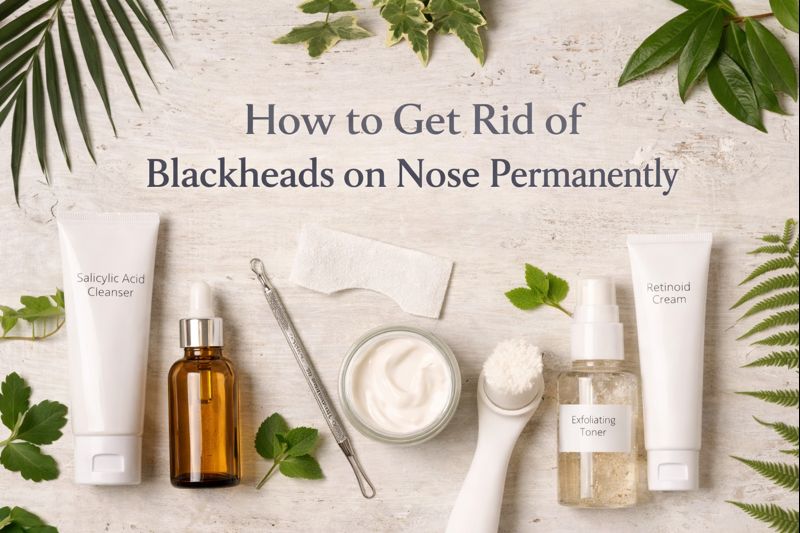
To get rid of blackheads on nose permanently, you need to prevent sebum buildup and oxidation inside the pore. The most effective approach combines oil cleansing to dissolve hardened plugs, salicylic acid (BHA) to exfoliate inside the pore, and consistent hydration to regulate oil production and prevent new clogs.
- Oil Cleansing: Massaging a lightweight oil cleanser into the skin dissolves hardened sebum naturally.
- Salicylic Acid (BHA): An oil-soluble exfoliant that penetrates deep into the follicle to clear debris.
- Non-Comedogenic Hydration: Keeping skin hydrated prevents “rebound oil” production that leads to new clogs.
- Avoid Extraction: Stop using pore strips or squeezing, as these can permanently enlarge pores and worsen the cycle.
Pro Tip: Blackheads are part of oily-skin challenges. For full prevention, check out our guide on the Best Night Skincare Routine for Oily and Acne-Prone Skin to keep your complexion clear around the clock.
Table of Contents
What Are Blackheads?
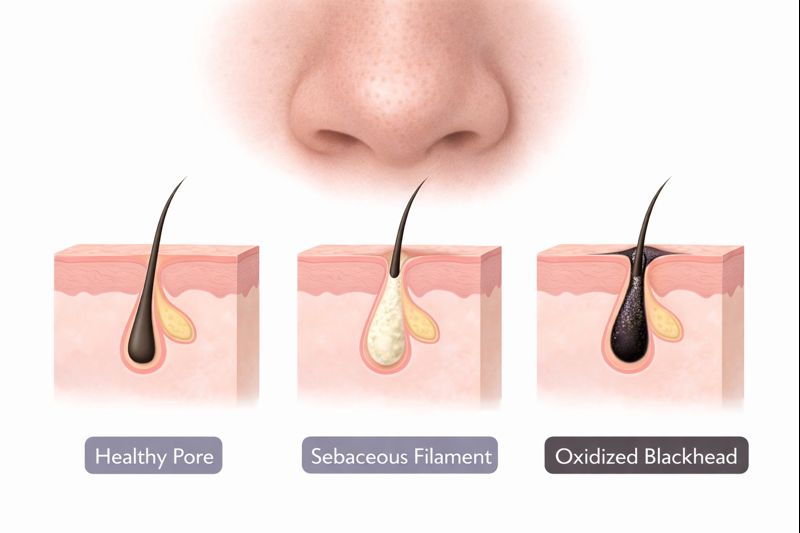
To get rid of blackheads on the nose permanently, you must understand they are clogged pores filled with oil and dead skin cells that oxidize (turn black) when exposed to air. This darkening happens through a chemical reaction called sebum oxidation, which we explain in detail in our guide on why skin oil turns black and how to prevent it.
The long-term solution involves double cleansing, the consistent use of Salicylic Acid (BHA), and avoiding mechanical irritants like pore strips and manual extraction.
These steps work best when they’re part of a broader approach to oily and acne-prone skin, where oil regulation and barrier care are addressed together.
Blackheads vs. Sebaceous Filaments
Before treating, it’s vital to differentiate between actual blackheads and sebaceous filaments. Those tiny grey dots on your nose are often sebaceous filaments—a natural part of your skin that delivers oil to the surface. They are not acne and do not require aggressive treatment.
| Feature | Sebaceous Filaments | Blackheads |
| Appearance | Flat (grey or yellowish) | Raised (dark black) |
| Nature | Natural & healthy | Clogged pore |
| Treatment | Do not need treatment | Require regular exfoliation |
While blackheads and sebaceous filaments are commonly confused, they’re not the only pore-related look-alikes. Small raised bumps with a tiny central indentation may be sebaceous hyperplasia rather than an enlarged pore or a clogged pore, so identifying what you’re seeing is the first step toward choosing the right approach.
Why Do Blackheads Form?
Understanding the causes that lead to blackheads is the first step toward effective prevention. There are few reasons that lead to clogged pores:
- Excessive Oil: Sebum overproduction common in oily skin types.
- Dead Skin Buildup: Cells trapping oil inside the pore opening.
- Improper Cleansing: Using heavy or comedogenic products that clog pores.
A skin barrier imbalance can influence how oil accumulates and behaves inside the pore, making clogging more likely over time.
These clogged pores are part of the same biological chain reaction that leads to acne in oily skin. To treat them effectively, it helps to understand how pores actually work and why buildup forms inside them.
If your breakouts feel deeper or keep returning in the same areas, it may be linked to hormonal acne on oily skin, which behaves differently from surface-level blackheads.
Daily habits can also influence how quickly this process builds. Factors like diet, stress, and sleep affect oil production and skin balance throughout the day—we explore this further in our guide on how daily habits influence acne throughout the day.
Steps to Get Rid of Blackheads on nose Permanently
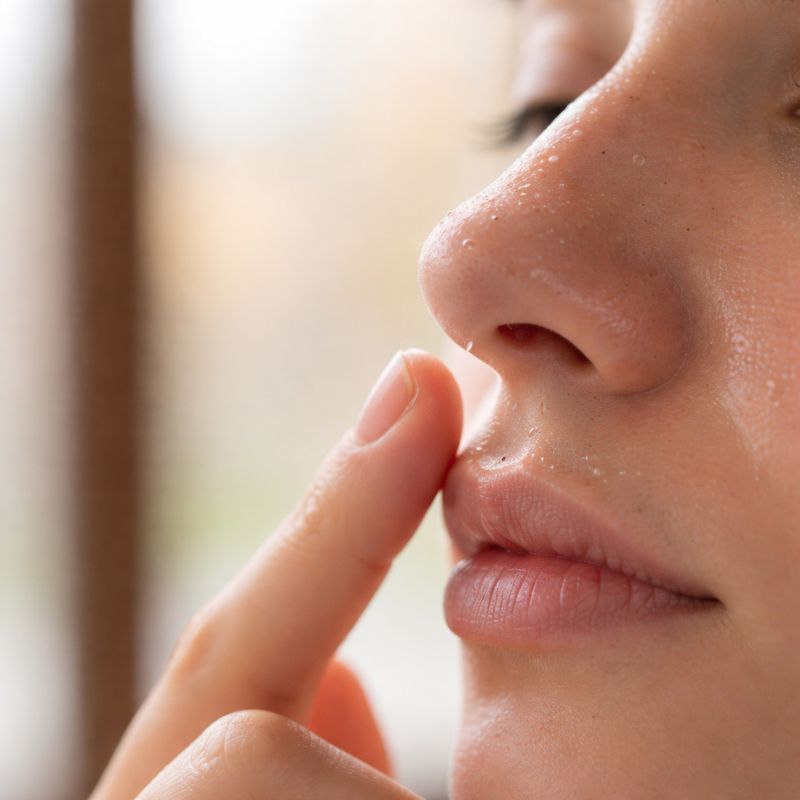
I struggled with blackheads for years, trying quick fixes like pore strips and harsh treatments that only made things worse. What actually worked was understanding how blackheads form and following a consistent routine that targets oil, buildup, and skin balance.
Step 1: Oil Cleansing (The Foundation)
This technique is the most effective method to dissolve blackheads gently because “oil dissolves oil.”
Why it works: Massaging a cleansing oil into the nose softens hardened sebum plugs and allows them to release naturally. This process offers many benefits for your skin; it dissolves oil inside pores and removes stubborn residuals like sunscreen and makeup, which gradually reduces the appearance of blackheads over time.
How to use:
Massage a lightweight oil cleanser like Anua Heartleaf Pore Control Cleansing Oil onto dry skin for 1–2 minutes, focusing on the nose. Rinse and follow with a gentle foaming cleanser.
Step 2: Chemical Exfoliation with Salicylic Acid (BHA)
Salicylic acid (BHA) is the gold standard ingredient for blackheads. According to Healthline, BHA is oil-soluble, meaning it penetrates deep into the pores , dissolves debris from within, and prevents future clogging.
How to use BHA safely: I recommend using a product that has 2% BHA such as Paula’s Choice Skin Perfecting 2% BHA. Apply it 2–3 times a week at night on clean, dry skin. Do not mix with Retinol in the same session.
For oily and acne-prone skin, spacing exfoliation and recovery nights throughout the week often helps maintain clearer pores without overwhelming the skin barrier.
For long-term prevention, treatments like retinoid-based treatments help reduce the buildup that leads to recurring blackheads by improving how skin cells renew inside the pore. This is why many routines include retinol solutions that work well for oily, acne-prone skin.
Gentle Glow Tip: To get the best results without irritating your skin barrier, check out [our comprehensive guide to using BHA for clogged pores], where we break down the exact wait times and layering rules for oily skin. Choosing the right formula also matters just as much as how you use it—especially when it comes to finding the best salicylic acid products for blackheads that suit oily, acne-prone skin.
Step 3: Hydrate to Regulate Oil Production
When skin is dehydrated, it overcompensates by producing more oil, increasing the risk of clogs. [Clinical studies on sebum regulation] show that maintaining a healthy moisture balance is actually the most effective way to signal your sebaceous glands to slow down.
Because oil regulation begins early in the day, pairing proper hydration with a structured barrier-first morning routine for oily skin helps prevent the rebound cycle that leads to clogged pores.
The best way to avoid pored clogs is to moisturize your skin daily. Choose a lightweight, non-comedogenic moisturizer that contains Contains niacinamide or ceramides. La Roche-Posay Effaclar Mat is an excellent choice as it hydrates the skin while providing a matte finish and also contains sebulyse which is an active ingredient that targets oil at the source.
For more targeted oil control, lightweight niacinamide serums can also be used to help regulate sebum and improve pore appearance over time.
Expert Advice for Long-Term Results
🚫 Avoid squeezing! According to the American Academy of Dermatology (AAD), manual extraction or pore strips can pull off the top layer of skin and permanently enlarge your pores. Furthermore, avoid using toothpaste as it contains harsh chemicals that cause irritation or chemical burns.
Conclusion
To get rid of blackheads permanently, you have to be patient and use the right method. Gentle oil cleansing, chemical exfoliation, and lightweight hydration are the only proven safe path to clearer pores. This simple routine provides real results without causing long-term damage.
Frequently Asked Questions (FAQ)
Q: Can Vaseline remove blackheads?
A: No, Vaseline is occlusive and may trap oil deeper into the pores, worsening the issue.
Q: Why do blackheads keep returning?
A: Because oil glands are constantly active. Success requires a consistent preventative routine rather than a one-time fix.
Q: Can toothpaste remove blackheads?
A: No. Toothpaste contains harsh chemicals that can irritate or burn the skin.
Q: Do pore strips enlarge pores?
A: Yes. Aggressive pulling can permanently stretch pores and cause sagging.
Q: When will I see results with BHA?
A: Most users notice visible improvement within 2–4 weeks of consistent use.
Medical Disclaimer
Gentle Glow guides are developed using peer-reviewed dermatology research and established clinical guidelines. The information provided is for educational purposes only and does not replace professional medical advice, diagnosis, or treatment. Always consult a board-certified dermatologist or qualified healthcare provider before starting new active skincare treatments.