Everything You Need to Know About Oily Skin

The Complete Guide to Oily Acne-Prone Skin: Everything You Need to Know

Founder & Editorial Lead at Gentle Glow
Managing oily acne-prone skin in 2026 requires a barrier-first approach that focuses on balancing oil production, calming inflammation, and supporting the skin microbiome—rather than stripping the skin.
- Sebum regulation: Use niacinamide and salicylic acid (BHA) to control oil and keep pores clear
- Barrier support: Maintain hydration with non-comedogenic moisturizers to prevent rebound oil production
- Inflammation control: Support the skin with gentle, microbiome-friendly ingredients like postbiotics
- Avoid over-stripping: Harsh alcohols and aggressive treatments can worsen oiliness and breakouts
Table of Contents
What is oily and acne-prone skin?
Managing oily and acne-prone skin in 2026 requires a barrier-first approach. Instead of stripping oil with harsh alcohols, modern science focuses on sebum regulation using Niacinamide and BHA, while supporting the skin microbiome with postbiotics. By balancing hydration and targeting inflammation, you can achieve a clear, “gentle glow” without the rebound oiliness caused by traditional aggressive treatments.
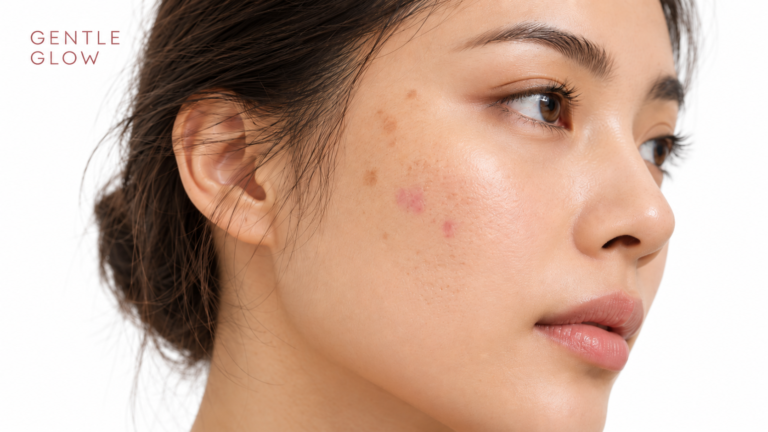
If your skin feels shiny and greasy most of the time—no matter how often you cleanse—it’s likely oily skin. This is often worse in hot weather and goes beyond surface shine, contributing to blackheads, breakouts, enlarged pores, and even melting makeup. I’ve experienced this firsthand, and through research and long-term testing, I learned that harsh products disrupt the skin barrier. When the barrier is damaged, oil production increases, congestion worsens, and acne becomes harder to control. Some breakouts—especially those that appear along the jawline—are linked to hormonal acne on oily skin, which behaves differently from surface-level congestion.
In 2026, there has been a clear shift away from the idea that oily skin needs to be “oil-free.” Modern dermatology shows that oily skin often exists in a state of low-grade, ongoing inflammation, even when breakouts aren’t visible. This means the skin may look calm on the surface but is still under stress beneath it. By choosing gentle, barrier-supportive ingredients, you help calm this inflammatory cycle, making the skin less reactive and more balanced over time. This approach—soothing rather than stripping—is at the heart of the Gentle Glow philosophy.
The Science of Sebum: Why Your Skin Is Oily
To manage oily skin effectively, it’s important to first understand how the skin functions. Oily skin, also known as seborrhea, occurs when the sebaceous glands produce excess sebum, leading to the shine and greasy appearance many people struggle with. If you’re dealing with excess oil, understanding how pores actually work in oily skin can help you manage shine and breakouts more effectively.
Sebum itself is essential—it helps protect the skin barrier and prevent moisture loss. However, when produced in excess, it can contribute to enlarged pores and create an environment where acne-causing bacteria (Cutibacterium acnes) thrive.
Several factors can influence how oily skin looks and feels. Genetics plays a major role in sebum production, while environmental conditions can affect what happens at the skin’s surface. Heat encourages sweating, and humid weather can make breakouts more likely by slowing sweat evaporation and allowing moisture, surface oil, skincare products, and friction to overlap for longer.
This chemical process—known as sebum oxidation—is one of the primary reasons blackheads appear darker and return quickly in hot, high-UV environments. We explain the full mechanism in our in-depth guide on why skin oil turns black and how to prevent sebum oxidation. This explains why oily skin concerns often worsen in hot or humid weather.
The most effective way to manage excess oil is not through aggressive stripping, but through a targeted routine that suits your skin type. Antioxidant support is just as important as cleansing. The goal is not to eliminate oil, but to regulate sebum production without compromising the skin barrier.
Why Your Oil Turns Into Acne (The Oxidation Factor)
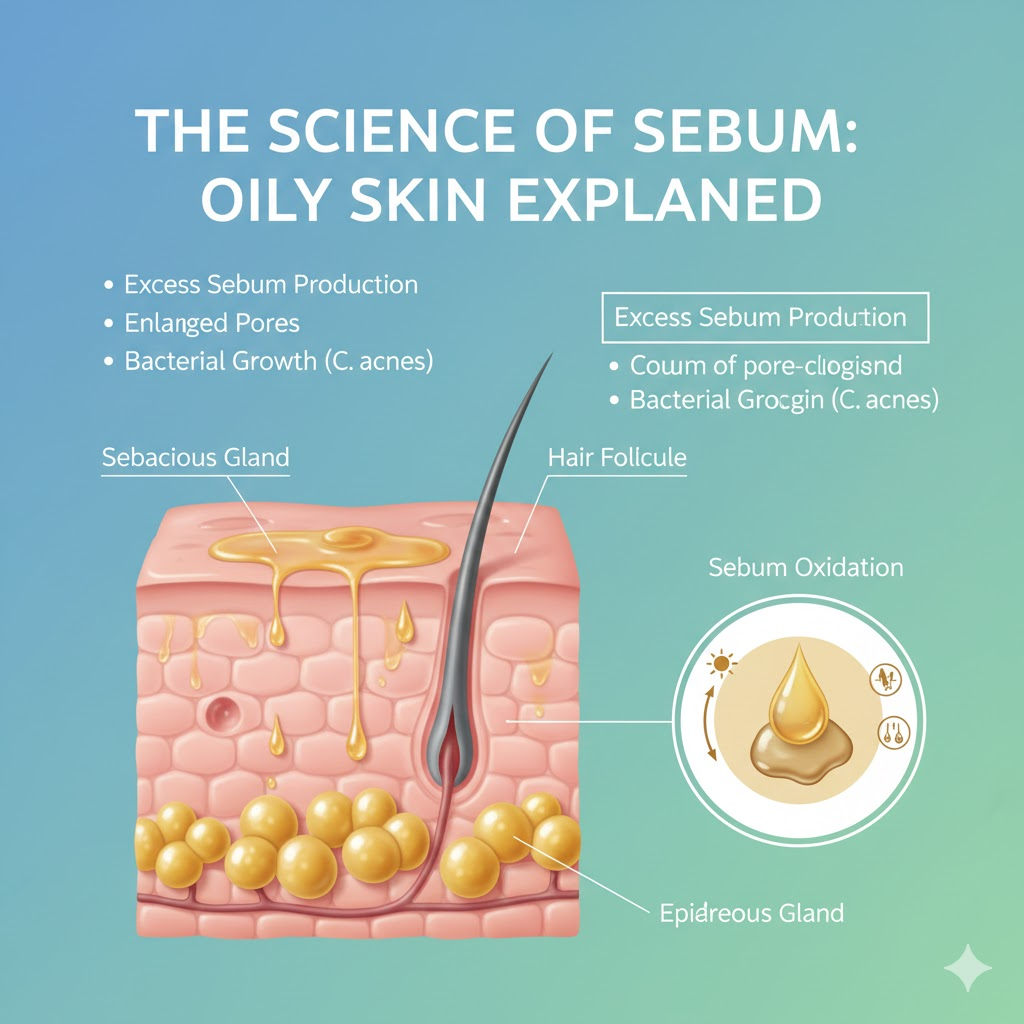
Not all sebum is harmful. The issue begins when sebum becomes oxidized. A simple way to understand this is to think of a sliced apple turning brown when exposed to air. In a similar way, skin oil changes when it is exposed to heat, pollution, and UV rays—all of which are common in hot and sunny climates.
In regions with high temperatures and humidity, such as many parts of the Middle East and North Africa, sebum tends to oxidize faster. Heat increases oil production, while environmental stressors make that oil thicker and stickier. Once oxidized, sebum is more likely to clog pores, leading to blackheads, breakouts, and persistent congestion, especially during warmer months — a key stage in the biological process of acne formation in oily skin.
Gentle Glow Tip: Before you reach for a treatment, make sure you aren’t misidentifying your pores. Many people mistake natural oil channels for acne—check out our guide on [Blackheads vs. Sebaceous Filaments] to ensure you aren’t over-treating healthy skin.
This is where antioxidant-rich skincare becomes particularly important. Ingredients such as Vitamin C (in a stable, non-oily form) and green tea extract help protect sebum from oxidizing too quickly. By keeping skin oil more fluid and balanced, antioxidants reduce pore congestion and help the skin cope better with hot, demanding weather.
The 2026 Ingredient Hall of Fame

To manage oily skin effectively, you need ingredients that do not dry the skin, but regulate oil, support the barrier, and reduce inflammation.
Here are the research-backed heroes for this year:
| Ingredient | Primary Benefit | Best Used For |
| Salicylic Acid (BHA) | Dissolves oil & deep cleans pores | Blackheads & Whiteheads |
| Niacinamide (Vitamin B3) | Regulates sebum & calms redness | Daily Shine Control |
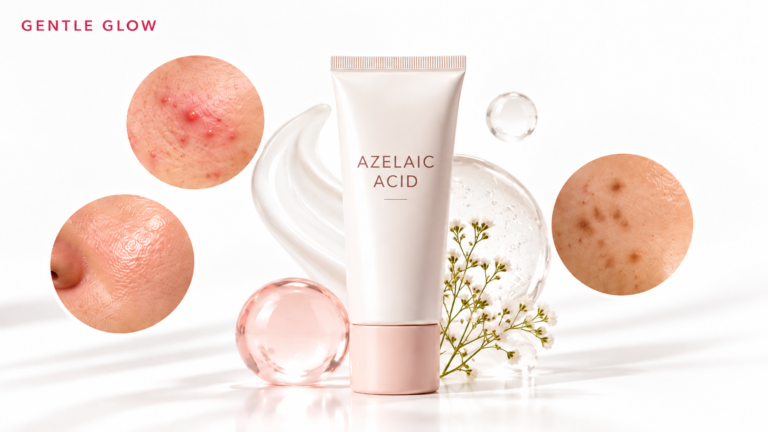
| Azelaic Acid | Kills bacteria & fades dark spots | Post-Acne Marks (PIH) |
| Postbiotics | Strengthens the skin microbiome | Barrier Repair & Soothing |
| Retinoids | Increases cell turnover | Long-term Acne Prevention |
Retinoids play a central role in long-term acne prevention by regulating how skin cells renew inside the pore, helping reduce the formation of clogged pores over time. Understanding how different formulas behave on oily skin becomes important at this stage, especially when choosing the right retinol formula for oily and acne-prone skin.
Different retinoid molecules can also vary significantly in how quickly they work and how strongly they feel on oily acne-prone skin, which is why some people tolerate retinal or newer-generation retinoids very differently from traditional retinol.
Using non-comedogenic formulations remains essential. This is especially important when choosing salicylic acid products for blackheads, where the formulation determines how effectively the ingredient can clear pores without disrupting the skin barrier. Even beneficial ingredients can worsen congestion if the base formula clogs pores. While exfoliating acids help clear congestion, long-term oil balance depends on ingredients that regulate sebaceous activity at the source rather than stripping the skin. In that sense, niacinamide stands out because it supports barrier integrity while stabilizing sebum production over time. Learn more about how niacinamide helps regulate oil production and refine pores in our in-depth guide.
The “Red Flag” List for Oily Skin
When choosing skincare products for oily or acne-prone skin, it helps to look beyond marketing claims and focus on how ingredients actually behave on the skin. Some commonly used ingredients can quietly worsen congestion and oil imbalance, especially in warm or humid environments.
Here are a few to be cautious with:
- Isopropyl Myristate
Often found in rich or creamy formulas, this ingredient can feel smooth at first but is highly pore-clogging for many oily skin types, increasing the risk of breakouts. - Sodium Lauryl Sulfate (SLS)
This strong cleansing agent strips the skin aggressively. While it may reduce oil temporarily, it often triggers rebound oiliness, where the skin produces even more oil to compensate. - Heavy Silicones
Silicones are not inherently bad, but heavier types can trap oxidized oil, sweat, and debris against the skin. In hot and humid climates, this can contribute to congestion if not balanced properly. - Denatured Alcohol
Frequently used to create an instant matte finish, denatured alcohol can weaken the skin barrier over time. This leads to increased sensitivity, inflammation, and ultimately more oil production, not less. This kind of disruption can contribute to a damaged skin barrier, especially when combined with over-exfoliation or frequent use of active ingredients.
The goal isn’t to fear ingredients, but to understand how they interact with oily skin under real-life conditions. Choosing gentler formulations helps maintain balance and reduces the cycle of irritation and breakouts.
The Gentle Glow Holistic Connection
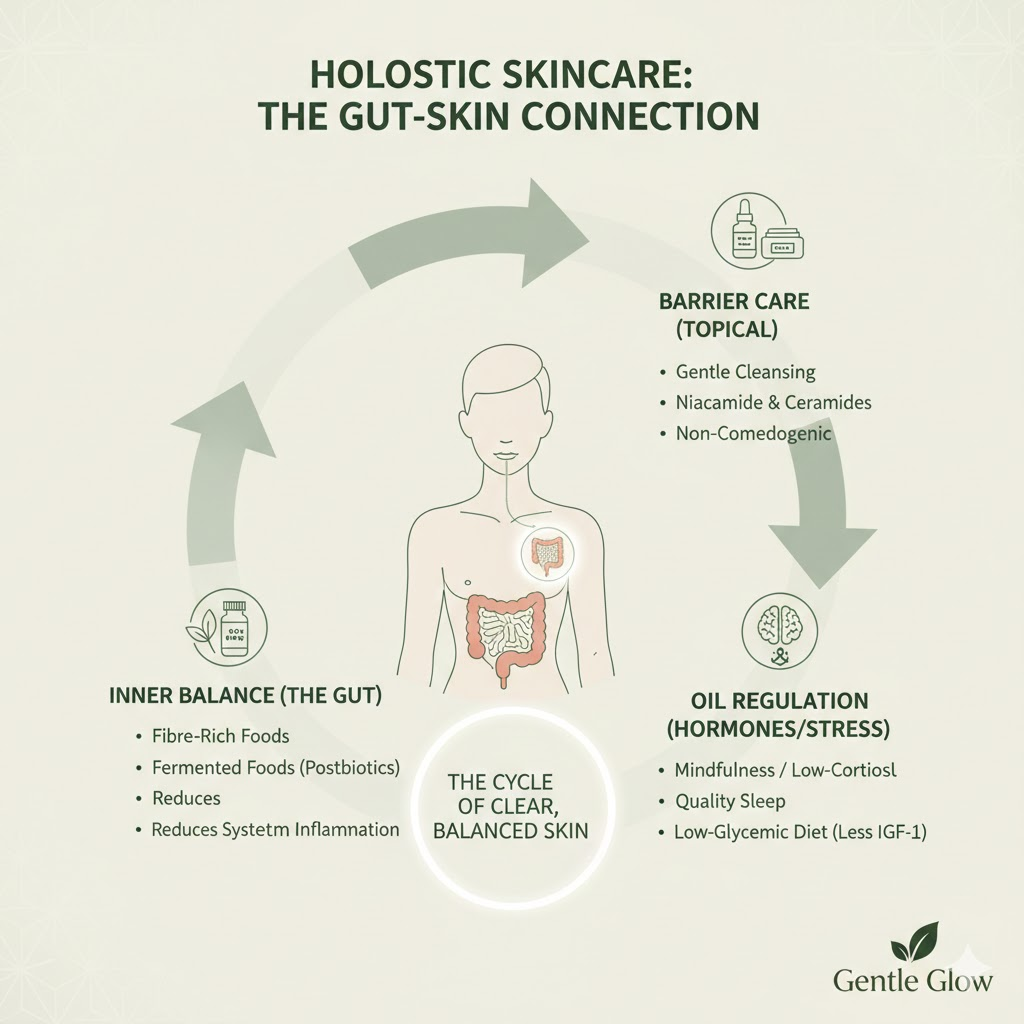
The “Balance Over Perfection” Philosophy
At Gentle Glow, the focus is not on achieving “perfect” skin, but on restoring balance. Through years of personal experience and deep research into oily and acne-prone skin, it became clear to me that many concerns are not caused by a lack of treatment—but by overcorrection.
I started Gentle Glow because I spent years overwhelmed by harsh products that never quite worked. I realized that aggressive cleansers and excessive exfoliation weaken the skin barrier. When this barrier is compromised, the skin enters a “panic mode,” overcompensating by producing even more oil. This leads to a vicious cycle of congestion, inflammation, and sensitivity. A gentle, barrier-supportive approach is the only way to achieve a resilient, lasting glow.
Cortisol and the “Stress-Acne” Loop
Science has confirmed that the brain-skin axis is a powerful driver of oil production. When you experience chronic stress, your body releases Cortisol. This “stress hormone” has a unique relationship with the skin; it specifically stimulates the sebaceous glands to ramp up oil production, leading to that “stress-induced” shine and deep, painful breakouts. This is part of a broader daily pattern—where diet, stress, and sleep interact to influence how acne develops over time. We explore this full cycle in our guide on how lifestyle habits affect acne from morning to night.
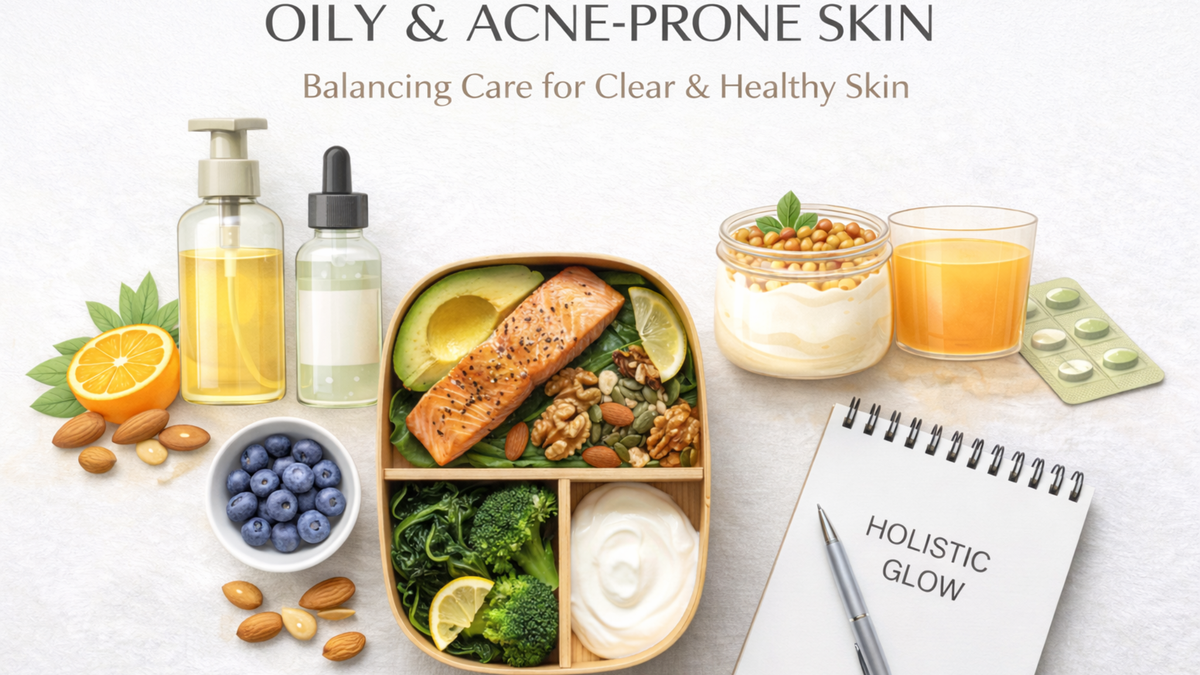
At Gentle Glow, we believe in a holistic glow that comes from a balanced lifestyle. Lowering cortisol levels is just as important as your nightly serum. I recommend a “5-minute Skin Mindfulness” practice during your evening routine—focusing on slow, deep breathing while you massage in your cleanser. This signals to your nervous system that it is time to shift from “fight or flight” to “repair and regenerate,” allowing your skin’s natural healing hormones (like Melatonin) to work effectively while you sleep.
Navigating Your Routine (Your Daily Roadmap)

Consistency is the secret to moving from an “oily” complexion to a “balanced” one. A consistent routine tailored to oily and acne-prone skin should focus on protection, regulation, and repair, rather than over-cleansing.
- The Morning Essentials: The Morning Essentials: Start with a gentle gel cleanser designed for oily and acne-prone skin. Follow with a Niacinamide serum and a lightweight, oil-free moisturizer. Crucial: Always finish with a matte-finish SPF. (Stay tuned for our upcoming Best Sunscreens for Oily Skin guide!)
- For the complete sequence — including how to prevent the 11:00 AM oil spike — follow our morning routine for oily and acne-prone skin, built to regulate sebum instead of stripping it.
- The Evening Ritual: This is when your skin repairs itself. Focus on a deep double-cleanse to remove the day’s pollution. For a step-by-step breakdown of how to treat your skin while you sleep, read our [Daily Night Routine for Oily and Acne-Prone Skin]. Long-term oil control usually comes from routine consistency and barrier balance rather than using stronger treatments more aggressively.
- Targeted Care: If you are struggling with persistent pore congestion, don’t miss our deep dive on [How to Get Rid of Blackheads Permanently].
Dermatology-Backed Authority
This guide aligns with evidence-based recommendations and clinical insights supported by:
- American Academy of Dermatology (AAD) – Managing Oily Skin
- National Institutes of Health (NIH) – Research on Acne and Diet
Research consistently shows that gentle, consistent routines outperform aggressive treatments over the long term.
Frequently Asked Questions (FAQ)
Can oily skin be dehydrated?
Yes. Oily skin can absolutely be dehydrated.
This happens when your skin lacks water — not oil. Increased transepidermal water loss (TEWL) weakens the barrier and triggers reactive sebum production, which makes your face look shiny while feeling tight.
If your skin feels tight but still breaks out, you may be dealing with dehydrated oily skin, not just excess oil. In this case, focus on barrier repair, humectants like glycerin, and ceramide support before increasing exfoliation.
Learn exactly how to fix it in our complete guide to
Dehydrated Oily Skin: Why Your Face Feels Tight but Still Breaks Out
Should I wash my face more than twice a day?
No. Over-washing triggers a “rebound effect” where your skin produces even more oil to compensate for the dryness. Stick to a morning and evening cleanse.
Does stress really cause acne?
Yes. Stress releases cortisol, which stimulates oil production. Mindfulness and a balanced lifestyle are as important as your serum.
How does diet affect acne-prone skin?
High-glycemic diets and low fiber intake can increase inflammation and worsen breakouts, especially in acne-prone individuals.
Is a moisturizer necessary for oily skin?
Yes. Skipping moisturizer weakens the skin barrier and often leads to increased oil production and sensitivity.
Final Takeaway
Oily and acne-prone skin thrives on balance, consistency, and science-backed care.
Healthy skin isn’t oil-free—it’s resilient, supported, and well-regulated.
Medical Disclaimer
Gentle Glow guides are developed using peer-reviewed dermatology research and established clinical guidelines. The information provided is for educational purposes only and does not replace professional medical advice, diagnosis, or treatment. Always consult a board-certified dermatologist or qualified healthcare provider before starting new active skincare treatments.